
The BioReJen® platform
Graphene-enhanced, 3D-printed, biodegradable scaffolds.
Last updated
Biodegradable, graphene-enhanced scaffold design
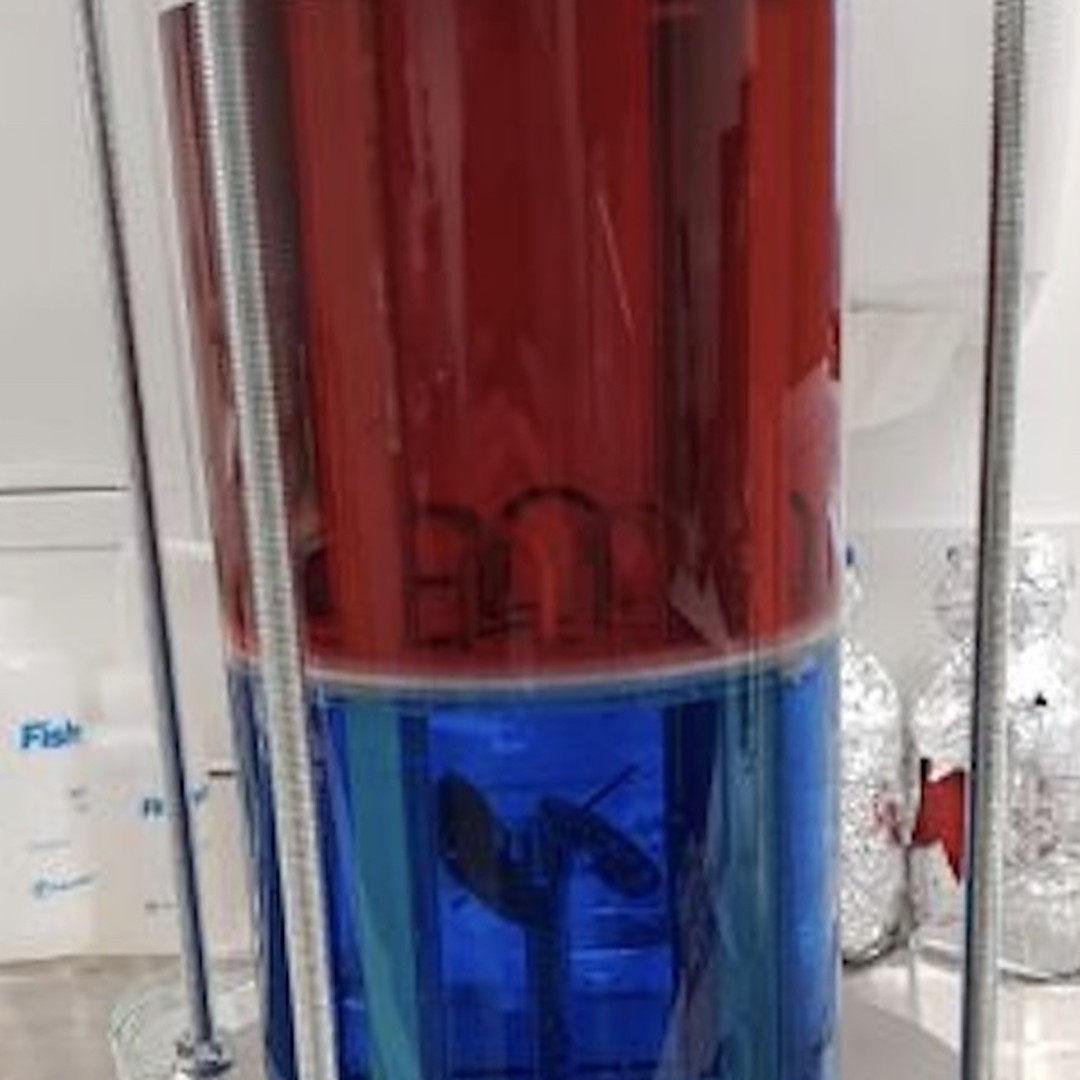
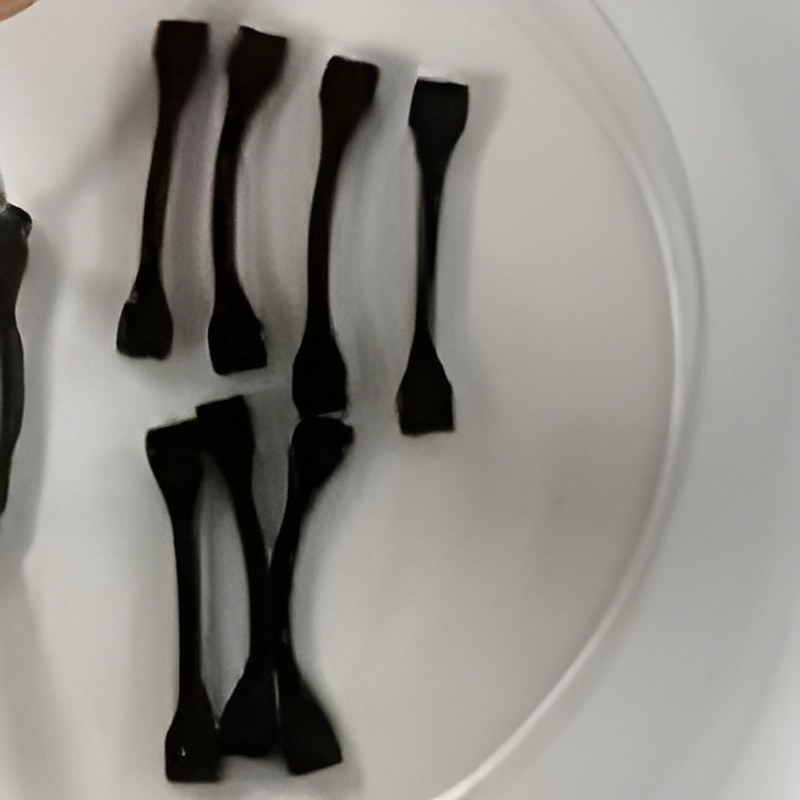
BioReJen® scaffolds are precision 3D-printed from a biodegradable polymer matrix enhanced with graphene, a material with distinctive electrical, mechanical and antimicrobial properties. The scaffold is designed to mimic the natural structure of bone and tissue, supporting cellular ingrowth, outgrowth and vascular development.
Unlike traditional synthetic implants, BioReJen® scaffolds are designed to degrade naturally as new tissue grows. This leaves no permanent foreign material behind and reduces the long-term risks associated with implant loosening and revision surgery, to replace the joint implant.
Engineered porosity for ingrowth and outgrowth
- Open, porous architecture designed for vascular and cellular ingrowth and outgrowth
- Engineered geometry tuned to the biology of bone repair
- Produced in a range of clinical sizes
- Validated in our first in vivo study
- Proof of concept for stem cell differentiation
Manufacturing partner selection is underway with established GMP-grade providers.

Why graphene
Graphene brings a rare combination of properties to a regenerative scaffold. Next generation graphene compounds are being evaluated for inclusion in BioReJen products.
Validated biocompatibility
Biocompatibility confirmed in vivo in our first preclinical study.
Mechanical reinforcement
Supports the matrix while preserving its porous architecture.
Antimicrobial properties
Associated with reduced infection risk.
Electrical conductivity
Supports cellular signalling within the scaffold environment.
Independent preclinical validation
BioReJen’s graphene-enhanced biodegradable scaffold has undergone independent preclinical evaluation by NAMSA, a globally recognised medtech contract research organisation. In a 39-week rabbit osteochondral defect study, the scaffold demonstrated excellent local biocompatibility, stable integration within the defect, and progressive controlled biodegradation, with no evidence of peripheral implant-related cartilage damage or significant adverse local tissue responses.
Systematic microCT analysis demonstrated progressive osteogenic reconstruction within the scaffold architecture, while independent blinded histological assessment by specialist pathologists confirmed new bone formation together with chondrogenic tissue development. Collectively, these findings provide strong preclinical evidence supporting the scaffold’s regenerative potential and represent an important milestone towards larger animal studies and future clinical translation.
A staged clinical platform
The BioReJen® platform is being used to develop different musculoskeletal tissue regeneration solutions across three clinical applications, from bone repair to joint reconstruction. Each solution builds on the validated science and regulatory groundwork used in the one before it.
Bone Void Filler (BVF)
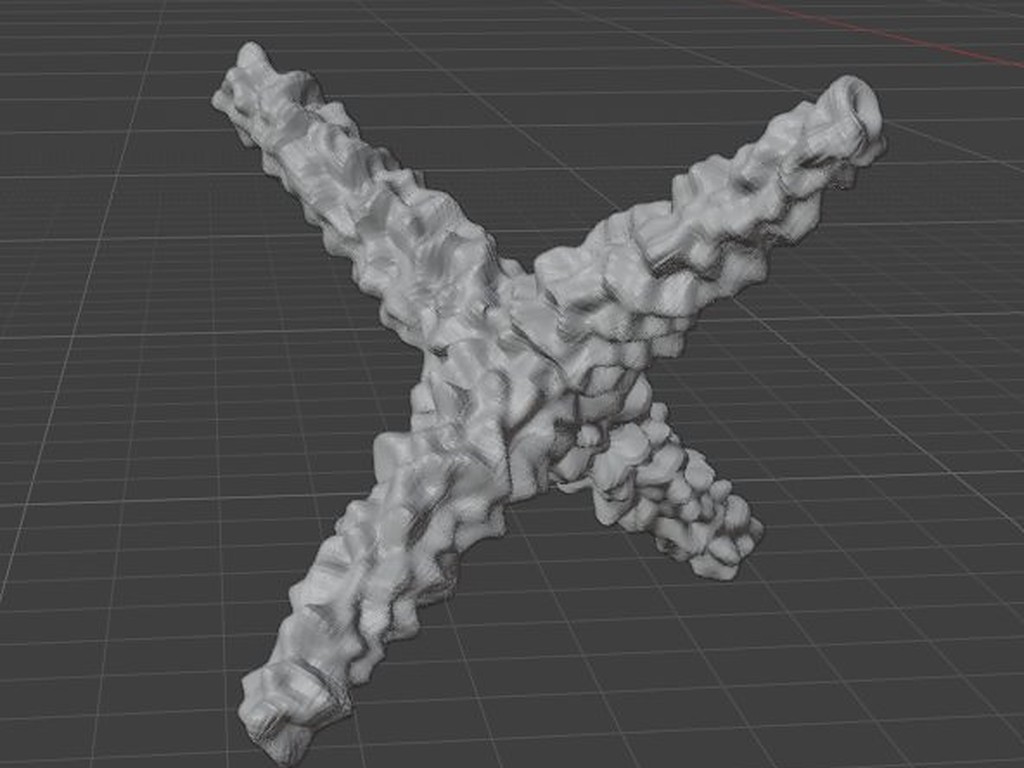
A biodegradable, graphene-enhanced scaffold built from interconnected tetrapod structures. It is designed to provide an osteoconductive three-dimensional framework that supports cellular infiltration, vascularisation and gradual bone regeneration, degrading over time as new tissue develops.
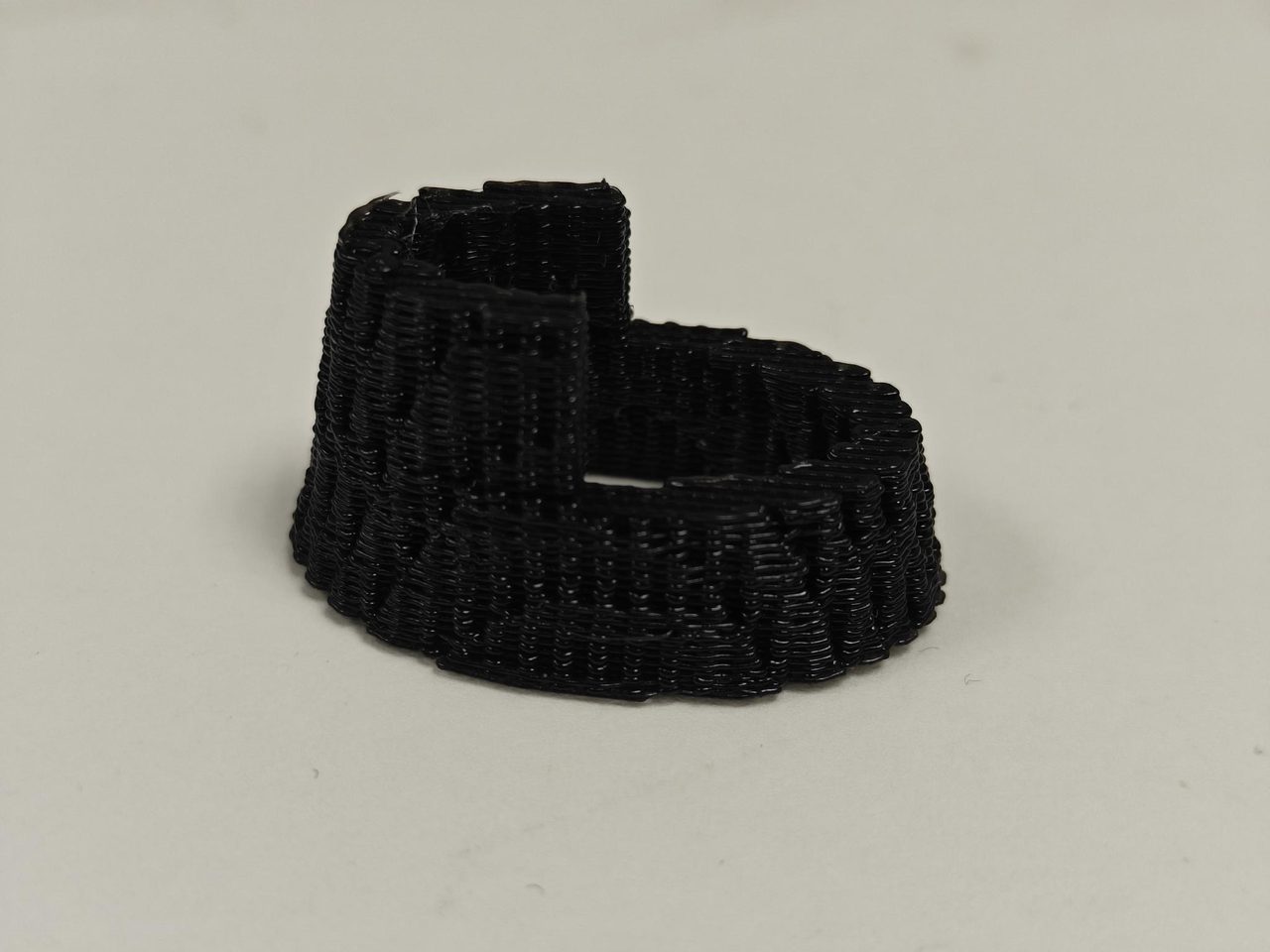
Early-stage prototype, not yet available for clinical use.
Revision Adjuncts
Building on the same core technology: patient-specific regenerative revision adjuncts (cones, sleeves, augments and wedges) for the management of complex bone loss in revision joint arthroplasty. They are designed to restore bone stock while providing the structural support needed during biological reconstruction.
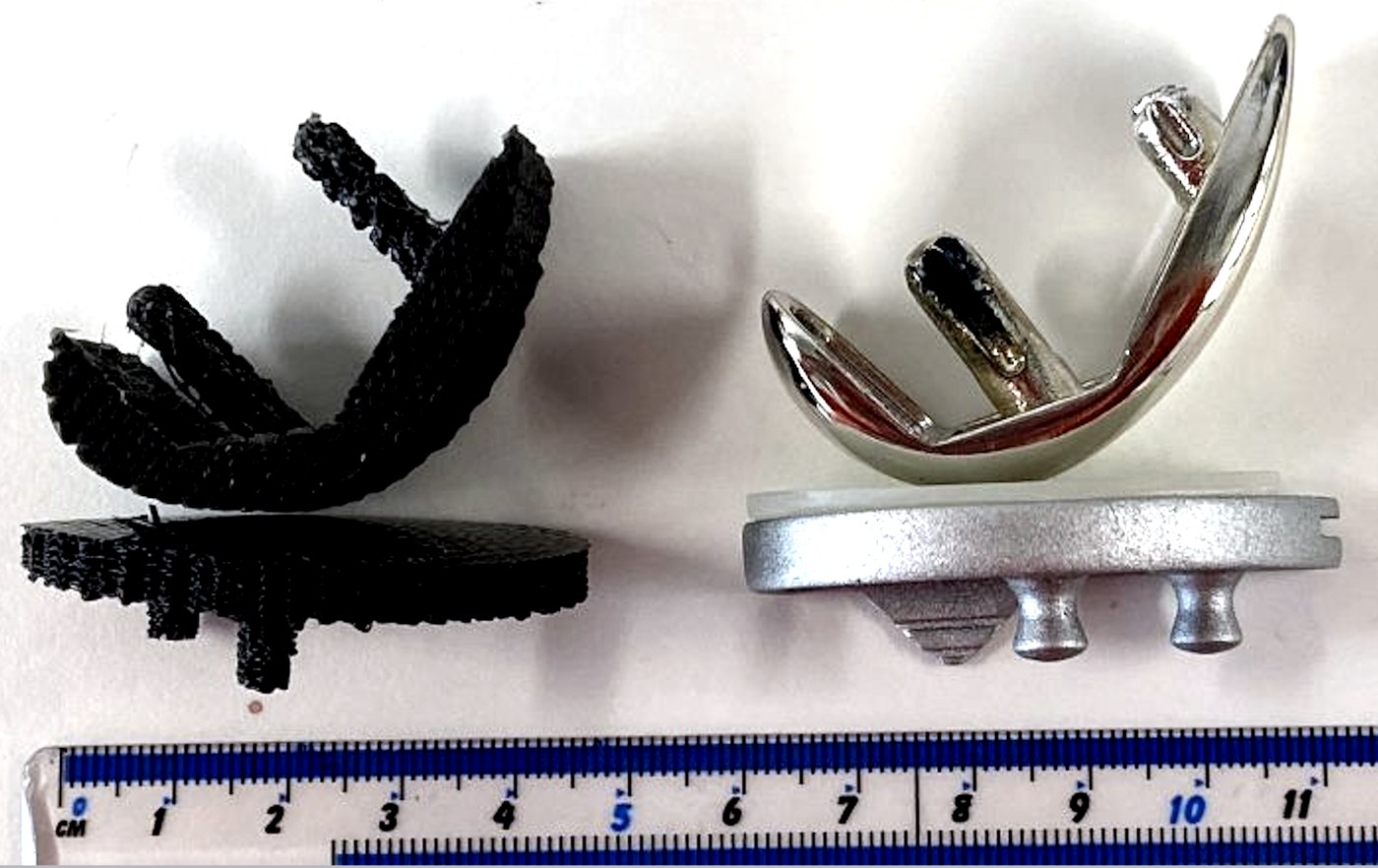
Early-stage prototype (left), not yet available for clinical use.
Next-Generation Implants
Load-bearing regenerative implants capable of replacing conventional permanent orthopaedic implants. By combining scaffold engineering, additive manufacturing and regenerative biology, they are designed to progressively integrate with host tissue and, ultimately, be replaced by living bone, rather than remaining as permanent metal, ceramic or plastic devices.
A defensible patent portfolio
- US patent allowed on our joint-prosthesis technology, with international counterparts pending
- A patent application on the graphene scaffold has passed international novelty examination
- A separate implantable microsensor application is pending. The corresponding European patent has already been granted (EP4171405B1), while the US application remains under examination.
- Independent Freedom-to-Operate analysis supports our position
Commercial licensing model
We license our validated IP and manufacturing know-how to established orthopaedic and medical-device partners.
- Licensing fees and royalties across product categories and territories
- Revision adjunct development & licensing in partnership
- Multiple potential revenue streams from large and growing patient populations
See the full technical package
On request, we share our investor materials, including the preclinical summary, scaffold overview and IP position, with qualified parties.